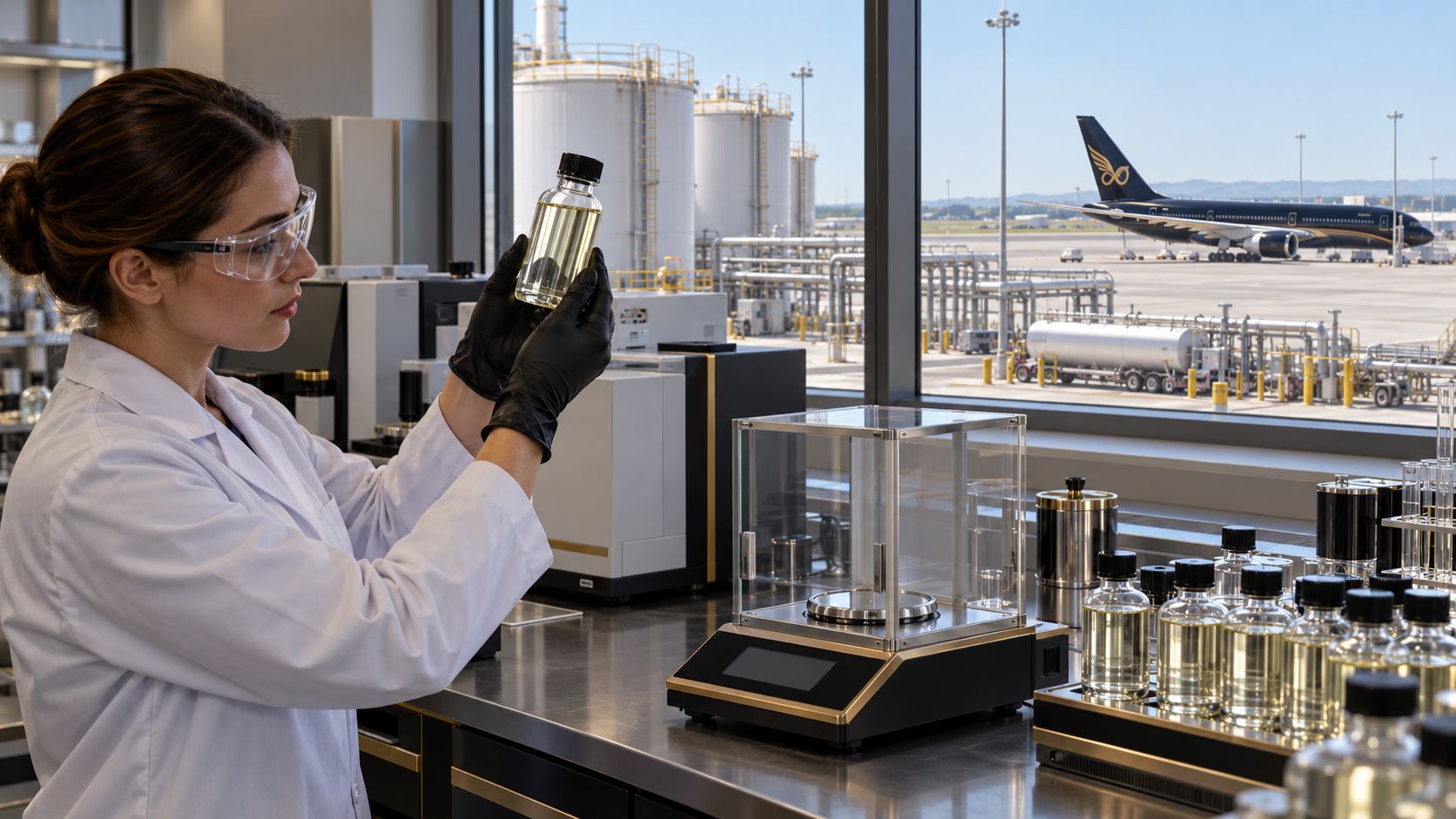

Sustainable Aviation Fuel
From Waste Resources to Aviation Energy
Elysium’s fuel production activities turn suitable waste materials and responsibly sourced feedstocks into Sustainable Aviation Fuel, connecting resource recovery with the energy needs of aviation.
Through WorldScope Oils and the wider Elysium ecosystem, our approach brings together feedstock collection, fuel production and the development of captured-carbon fuel pathways. Our ambition is to build a dependable supply of aviation fuel with lower lifecycle greenhouse gas emissions.
Giving Waste a New Purpose
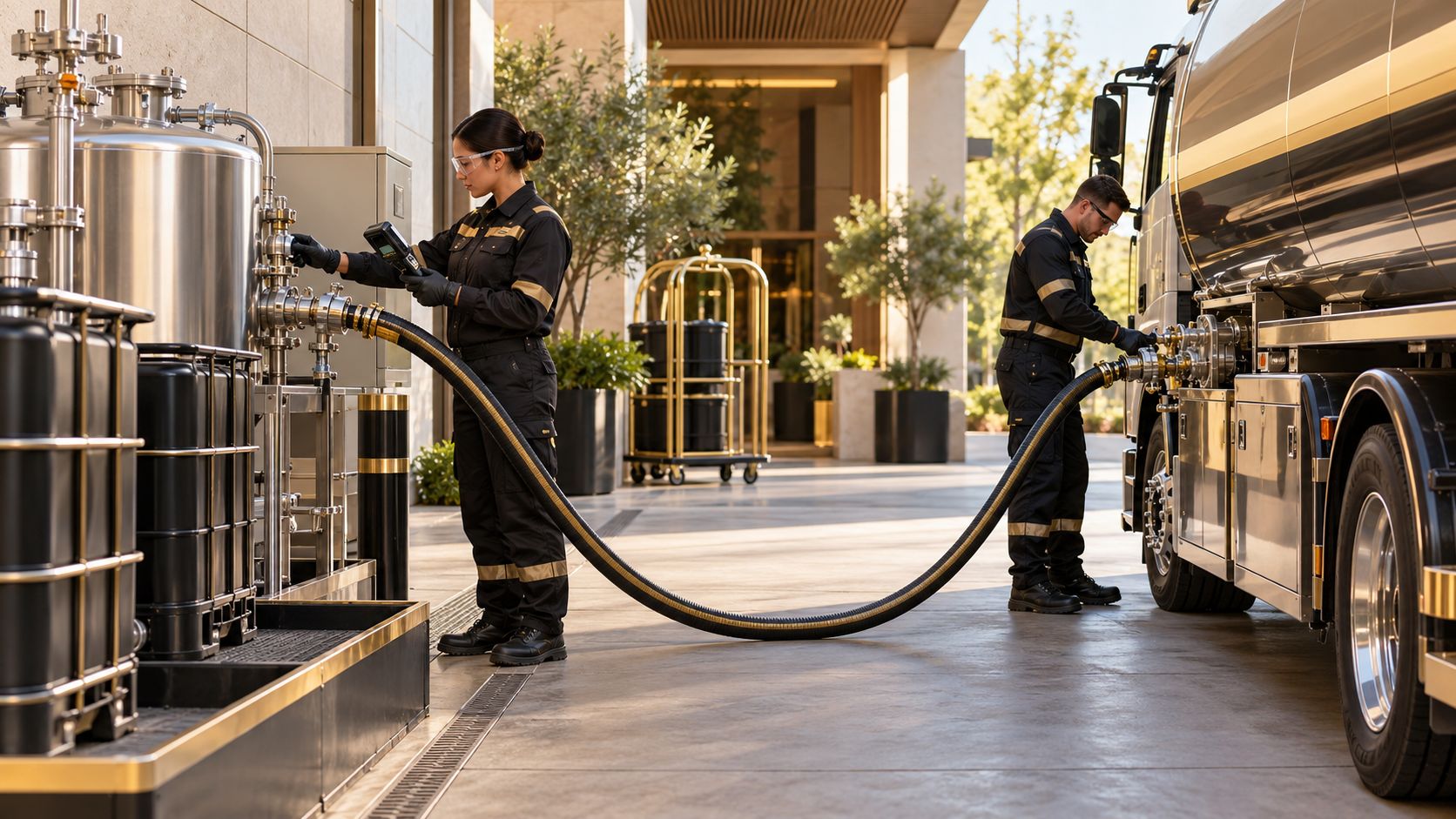
Used cooking oil and suitable waste fats can become valuable raw materials for aviation fuel production.
Our approach starts with the source: identifying suitable materials, checking their origin and quality, and directing them to the appropriate processing pathway. Responsible sourcing and traceability help establish how a fuel is made and how its environmental performance should be assessed.
Through WorldScope Oils, this connects businesses and collection partners with a wider fuel supply chain.
Different Feedstocks. Purpose-Built Processes.
Producing aviation fuel requires more than collecting waste. Each feedstock needs a suitable conversion process, followed by the treatment, testing and quality controls required for aviation use.
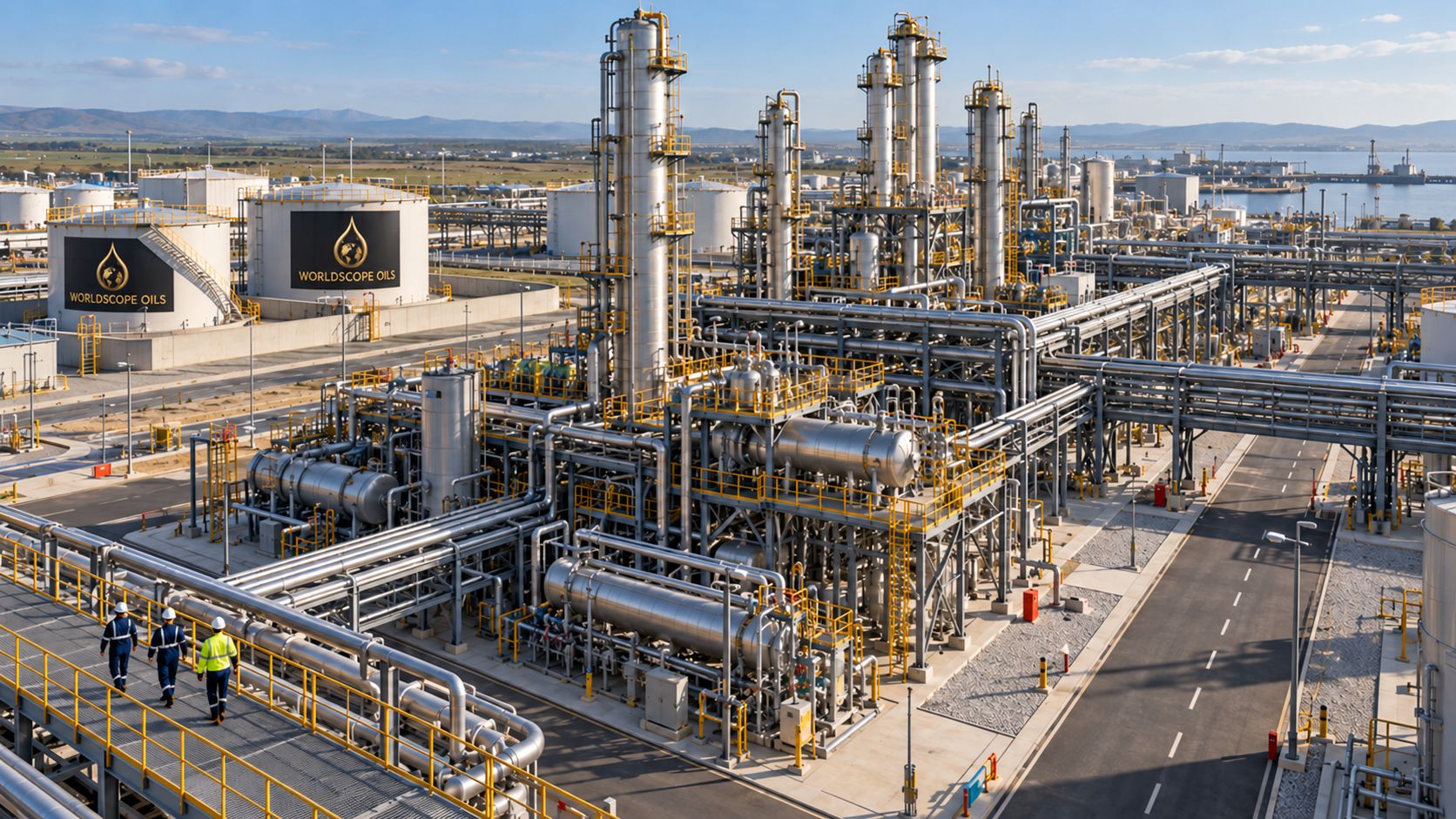
Waste oils and fats
Waste oils and fats can be processed through hydroprocessing pathways.
Other biomass and residues
Other eligible biomass and residues require different technologies, such as conversion through alcohols or synthesis gas.
Feedstock selection
Feedstock selection depends on technical suitability, responsible sourcing, availability and the sustainability requirements of the intended market.
Carbon Capture and the Next Generation of Aviation Fuel
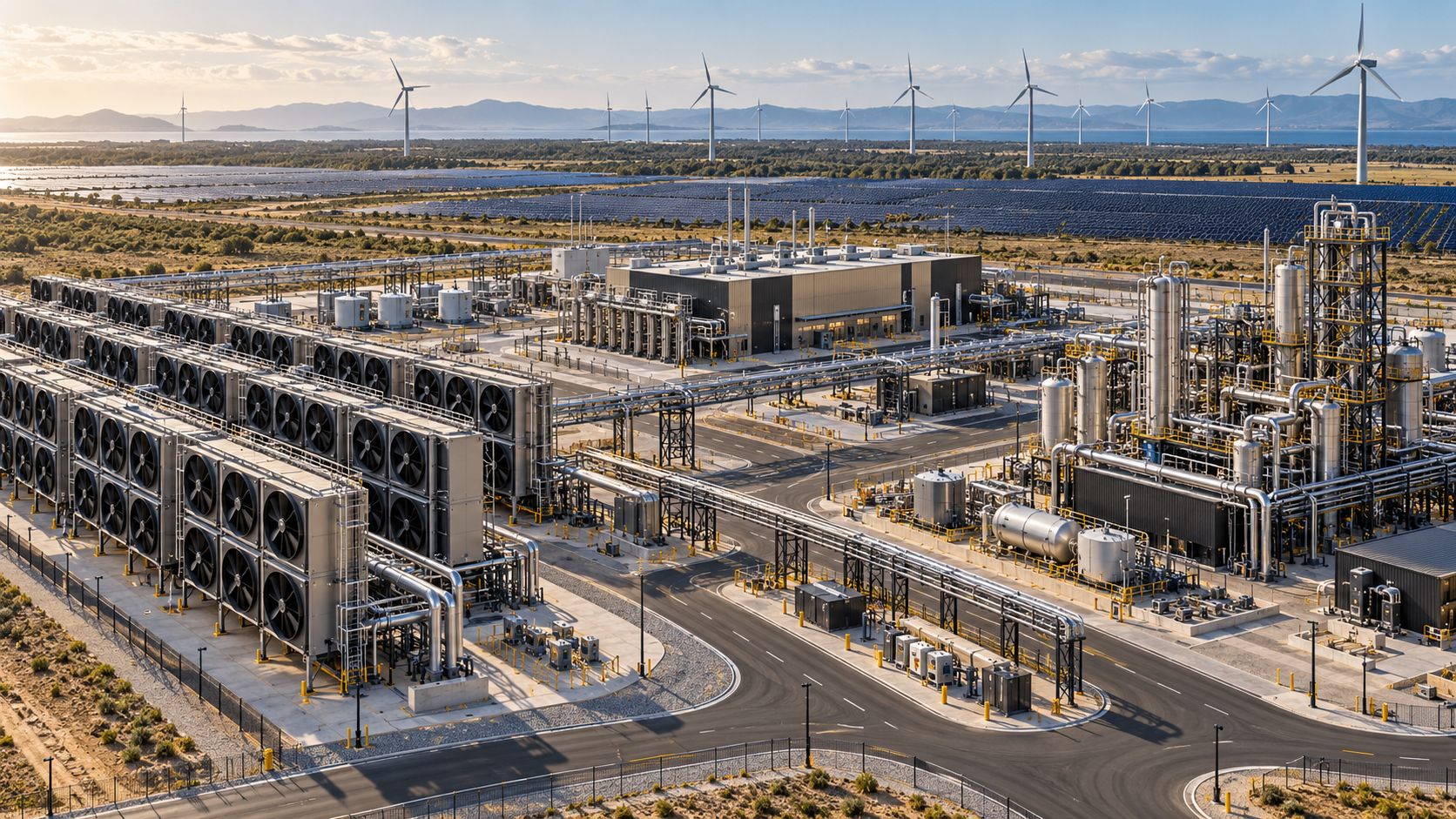
Captured carbon creates another route to aviation fuel production.
In a power-to-liquid process, captured carbon dioxide is combined with hydrogen produced using renewable electricity. Further conversion and refining produce synthetic aviation fuel components.
Our carbon-capture strategy focuses on the connections between CO₂ supply, renewable energy, hydrogen and fuel production. Together, these technologies offer an opportunity to diversify aviation’s fuel sources beyond biological feedstocks.
Using captured carbon in fuel recycles it through a further use cycle. It does not permanently store that carbon: CO₂ is released when the fuel is burned.
From Production to Aircraft
Every stage matters—from incoming feedstock to the finished aviation fuel.
The supply chain includes feedstock preparation, conversion, refining, laboratory testing, any required blending, storage and delivery into airport fuel infrastructure.
Fuel supplied for aircraft use must meet the applicable aviation fuel specifications, pathway requirements and blending limits. Sustainability credentials are assessed separately through the relevant sourcing and lifecycle requirements.
Our objective is to connect production with dependable aviation supply as participating airline operations and fuel arrangements become available.